Scientists at Nanyang Technological University, Singapore (NTU Singapore) have developed a new form of light sensor that is both flexible and very sensitive to enable the development of wearable gadgets
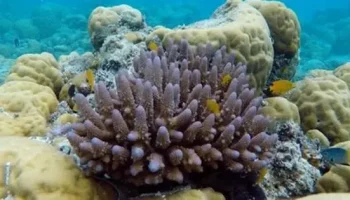
As the world's coral reefs face increasing threats, a team of researchers has developed a genetic analysis tool that can identify many different types of
Berkeley Lab and the University of Massachusetts Amherst scientists have demonstrated the first self-powered, aqueous robot that operates continuously without the use of electricity. The
Carbon dioxide, despite making up a very little percentage of the atmosphere, is critical for the survival of life on our planet. Excess carbon dioxide, on the other hand, can
The first experimental proof that brain areas can change independently of one another during cognitive evolution has been revealed by researchers at Stockholm University. This
According to a new study from Oregon State University's College of Engineering, machine learning techniques can provide powerful new tools for advancing personalized medicine, which
A silicon device capable of transforming skin tissue into blood vessels and nerve cells has progressed from prototype to standardized fabrication, implying that it can now be manufactured in a
According to a study published in the January issue of Plastic and Reconstructive Surgery®, the official medical journal of the American Society of Plastic Surgeons
Researchers have developed heat-resistant, pressure-detecting sensors that, when attached to seats, can detect whether a driver is drowsy or has a sudden illness, alerting a future smart car to take