
close

Nanotechnology

Nanotechnology

Researchers created a unique circulating tumor DNA biosensor.

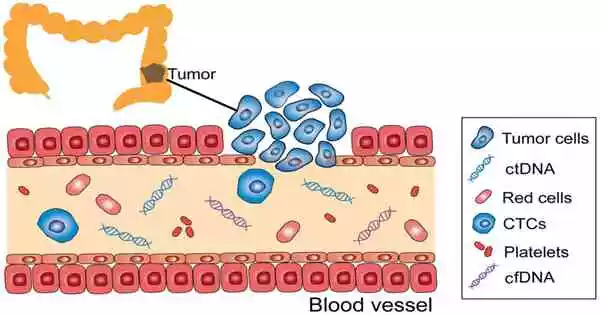
Pathogen detection, genetic disease identification, and early cancer diagnosis are the most common applications for nucleic acid analysis. For example, quantitative analysis of circulating tumor DNA (ctDNA), a free DNA fragment produced by malignant cells that contains tumor-specific sequence modifications, can assist in obtaining a wealth of information about tumors, such as gene point mutations and genome integrity. As a result, ctDNA is regarded as a customized tumor marker and plays an important role in cancer diagnosis and malignancy assessment. Miao Peng's group at the Chinese Academy of Sciences' Suzhou Institute of Biomedical Engineering and Technology (SIBET) recently created an

Nanotechnology

Nanotechnology is being used by researchers to mend damaged brain circuits.

Johns Hopkins Medicine researchers disclose new evidence that a protein pushed out of some—but not all—populations of "helper" cells in the brain called astrocytes plays a specialized role in regulating the creation of connections among neurons required for learning and creating new memories. The researchers conducted proof-of-concept experiments on mice genetically created and bred with fewer such connections, demonstrating that they could transport corrected proteins via nanoparticles to replace the missing protein needed for "road repairs" on the damaged neural highway. Because such connective networks are lost or damaged as a result of neurodegenerative diseases like Alzheimer's or certain types
Nanotechnology

Single-cell sorting by function is now possible because of nanotechnology.

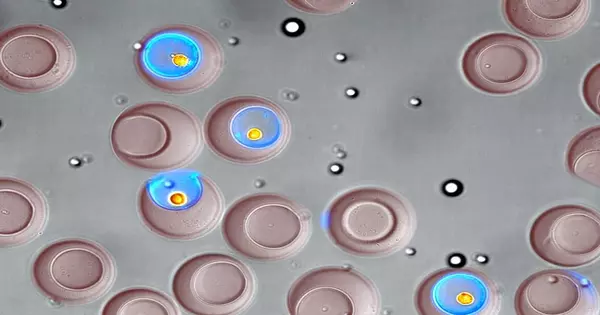
For nearly 40 years, pharmaceutical companies have utilized genetically modified cells as miniature drug factories. These cells can be engineered to release chemicals that can be utilized to treat cancer and autoimmune diseases like arthritis. A new approach for quickly sorting single, living cells in a typical laboratory setup may benefit efforts to develop and produce new biologic medicines. A UCLA-led research team recently showed the capacity to choose cells based on what type they are and which compounds—and how much of those compounds—they secrete using minuscule, bowl-shaped hydrogel containers called "nanovials." The findings were reported in the journal ACS
Nanotechnology

The graphene membrane reveals bacterial sounds.

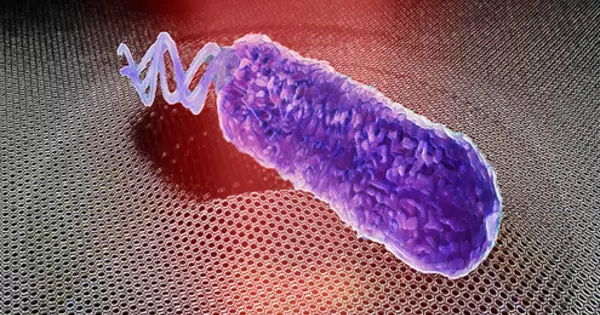
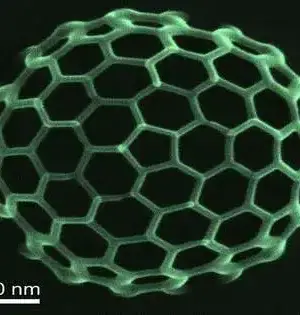
Have you ever wondered if microbes generate unique sounds? We would be able to tell whether bacteria are alive or not if we could listen to them. Those sounds would stop if bacteria were destroyed with an antibiotic, unless the bacteria were resistant to the drug. This is exactly what a team of TU Delft researchers led by Dr. Farbod Alijani has just accomplished: they collected low-level noise from a single bacterium using graphene. Their findings have now been published in Nature Nanotechnology. The sound of a single bacteria Farbod Alijani's team was initially investigating the principles of graphene physics,
Nanotechnology

DNA nanotechnology could make pharmaceutical research a million times faster while lowering prices.

A new tool reduces the time it takes to manufacture vaccines and other pharmaceutical goods by over a million times while lowering expenses. Industry will frequently examine thousands of similar candidate compounds in search of medicinal substances such as new vaccines. This can be done on the nanoscale with minimal material and energy expenditure thanks to a unique approach. The findings were published in Nature Chemistry. In a pinhead-sized area, more than 40,000 molecules may be generated and examined. The approach, which was created in Denmark through a highly interdisciplinary research effort, promises to save pharmaceutical businesses a significant amount
Nanotechnology

In an Atomically Thin Material, Physicists have Discovered an Unusual ‘Multiferroic’ State

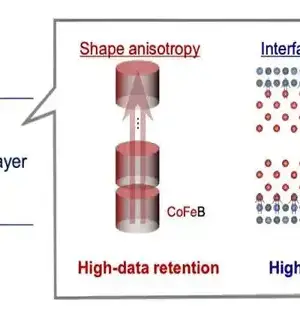
In a material as thin as a single layer of atoms, MIT physicists identified an exotic “multiferroic” state. Their discovery is the first to show that multiferroic characteristics can exist in a material that is perfectly two-dimensional. The findings, which were reported in Nature, pave the door for smaller, faster, and more efficient data storage devices made of ultrathin multiferroic bits, as well as other novel nanoscale architectures. “Two-dimensional materials are like LEGOs you put one on top of another to make something different from either piece alone,” says study author Nuh Gedik, professor of physics at MIT. “Now we
Nanotechnology

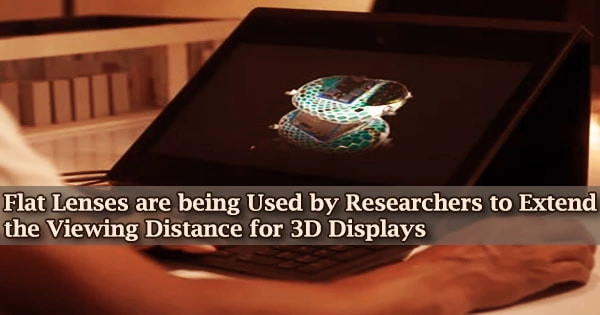
Flat Lenses are being Used by Researchers to Extend the Viewing Distance for 3D Displays

Thanks to a newly constructed flat lens, researchers have exhibited a prototype glasses-free 3D light field display system with an increased viewing distance. The technique is a significant step toward creating small, realistic-looking 3D displays for televisions, portable electronics, and table-top devices. Light field displays produce full-color real-time 3D videos that may be viewed without glasses using a dense field of light beams. This method of constructing a 3D display allows multiple individuals to watch the virtual scene similar to how a genuine 3D item works. “Most light field 3D displays have a limited viewing range, which causes the 3D
Nanotechnology

Nanomedicine in Lower, More Frequent Doses may Improve Cancer Treatment

Nanoparticles are tiny structures that can transport things to specific sections of the body, such as a chemotherapy medicine to a tumor. Although such “nanomedicine” held out hope for better cancer treatments, the survival benefits of clinically authorized nanomedicines are generally insignificant when compared to traditional chemotherapy. Nanomedicine may deliver additional benefits if it is administered at lower, more frequent dosages called metronomic dosing rather than the typical maximum tolerated dose of current treatments, according to new research published in the Journal of Controlled Release. “Nanomedicine and metronomic therapy have been regarded as two different approaches to treat cancer. Our
Nanotechnology

Molecular robotics has progressed to the next level thanks to computerized, rolling DNA motors.

Chemists have integrated computer functionality into rolling DNA-based motors, opening up a whole new world of possibilities for molecular robots in miniature. The first DNA-based motors that combine computational power with the capacity to burn fuel and move in an intentional direction were published in Nature Nanotechnology."Beyond getting the DNA motors to execute logic computations, one of our significant contributions is finding a mechanism to transform that information into a simple output signal—motion or no motion." "Anyone with a cell phone outfitted with a cheap magnifying attachment may interpret this signal."" Selma's finding removes major hurdles that stood in the
Nanotechnology

Researchers and engineers now have access to a wider spectrum of wavelengths thanks to a new parity-time symmetric technology.

The first completely integrated parity-time symmetric electronic system has been built by researchers from the labs of Lan Yang, the Edwin H. & Florence G. Skinner Professor, and Xuan "Silvia" Zhang, associate professor, at Washington University in St. Louis's McKelvey School of Engineering. It can also be manufactured without the use of unusual materials, using simply the same basic microelectronic fabrication process that is now employed for regular integrated circuits. The findings were published in the journal Nature Nanotechnology on March 17th. Energy flow in PT-symmetric systems can be altered in unexpected ways. They can currently only operate in a